

By Rinki Prasad Bhagat, a second-year PhD research scholar in the Department of Pharmaceutical Technology at Jadavpur University, Kolkata and India RISE Fellow 2026
There is a question I return to often, usually late at night when an experiment has not gone the way I hoped:
Can I make a meaningful contribution to cancer research?
No classroom ever prepared me to sit with a question like that. I do not have an answer yet. But I have come to believe the lab is where I learned to keep working even without one.
Finding my way into research
My path here was not direct. As a child, I loved biology enough to want to become a doctor. I was fascinated, as many children are, by the idea of understanding the body and helping people heal. That particular dream did not work out. But I did not want to leave medicine behind altogether, so I chose pharmacy instead, hoping it would keep me close to something I cared about, even if I was not yet sure how.
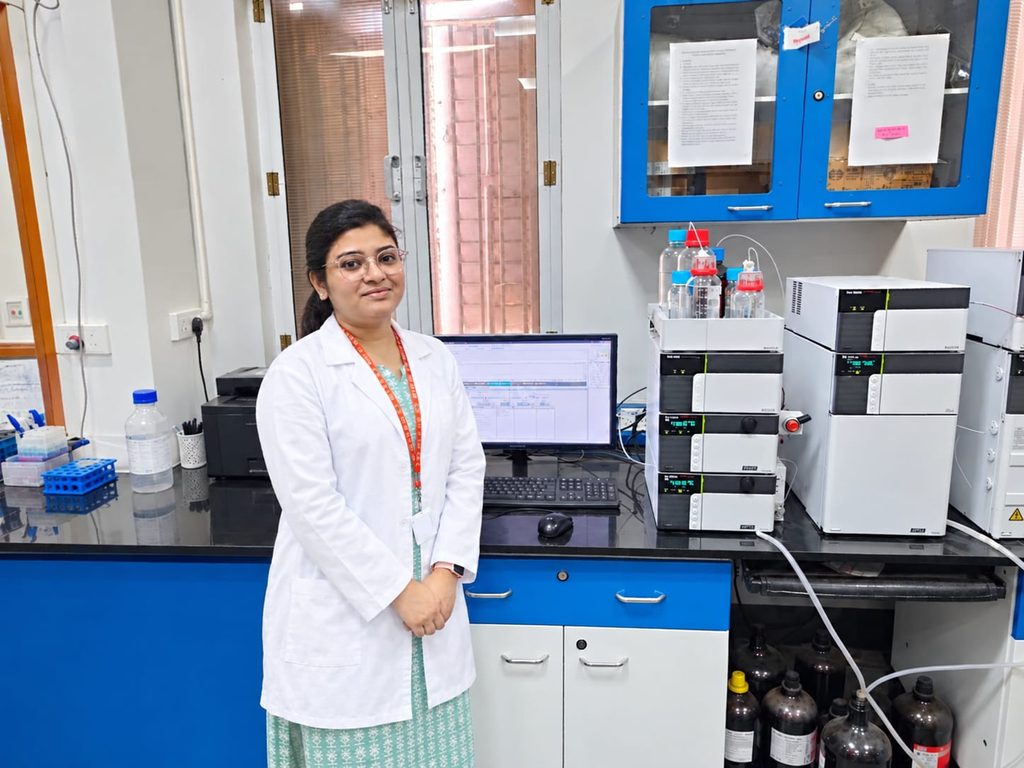
For a long time, pharmacy was something I studied from textbooks, something I understood in theory, on paper, in the language of lectures. That changed during my bachelor’s degree, in the middle of the disruptions of the COVID-19 years, when I got the chance to work in a laboratory for my final-year project on formulation development. My guide at the time, Prof. Pintu Kumar De, believed in me at a stage when I was still finding my footing, and that belief mattered more than I think he ever realised. No classroom had told me that a medicine is not simply prescribed that it is designed, tested, and refined, often through long stretches of trial and error before it works the way it is meant to. The lab taught me that. It turned pharmacy from a subject into a practice, and it planted the first real seed of wanting to pursue research further.
In my master’s, I moved to an earlier stage of that process, into computational drug discovery, using in silico, or computer-based, tools to predict how a molecule might behave before testing it in the laboratory. My supervisor, Dr. Shovanlal Gayen, introduced me to computational research patiently, from the ground up, and gave me a language for thinking about molecules through models. It was intellectually exciting work, and in many ways, it still felt close to the classroom: screens, models, predictions. But it left a gap I could feel. I had learned to predict molecular behaviour. I had not yet learned to synthesise a compound at the bench, to fail and try again, or to see it come together after repeated attempts. I wanted the part of the process that no lecture could simulate, and that desire eventually led me toward a PhD.
Learning to begin again
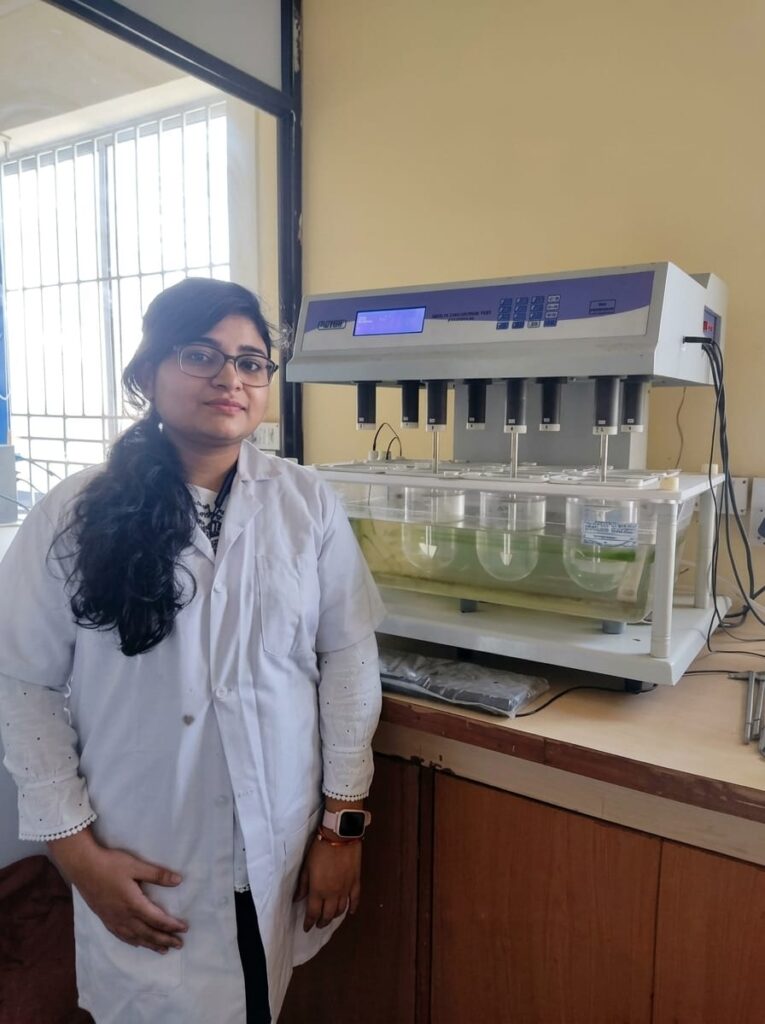
I am now in the second year of my PhD in the Department of Pharmaceutical Technology at Jadavpur University, under the supervision of Prof. Tapan Kumar Maity, where I work on designing chemical scaffolds and evaluating compounds built around them for potential anticancer activity.
Joining a new lab meant becoming a beginner all over again, learning new techniques, a new rhythm of work, and a different relationship with uncertainty. Much of what I know now, I owe to my lab senior, Dr. Avik Maji, who taught me from scratch, patiently and repeatedly, without ever making me feel behind. He believed I could do this, even on the days I did not believe it myself. That belief has carried me through more difficult stretches than I can count.
And there have been difficult stretches. The last two years have not moved in a straight line. There have been long spells with limited resources, when I have had to find my own way around a problem instead of waiting for someone to solve it for me, and a period of ill health that slowed me down in ways I had not planned for.
“I have had to learn, slowly, that recovering and starting again is part of research too.”
Why cancer research is personal
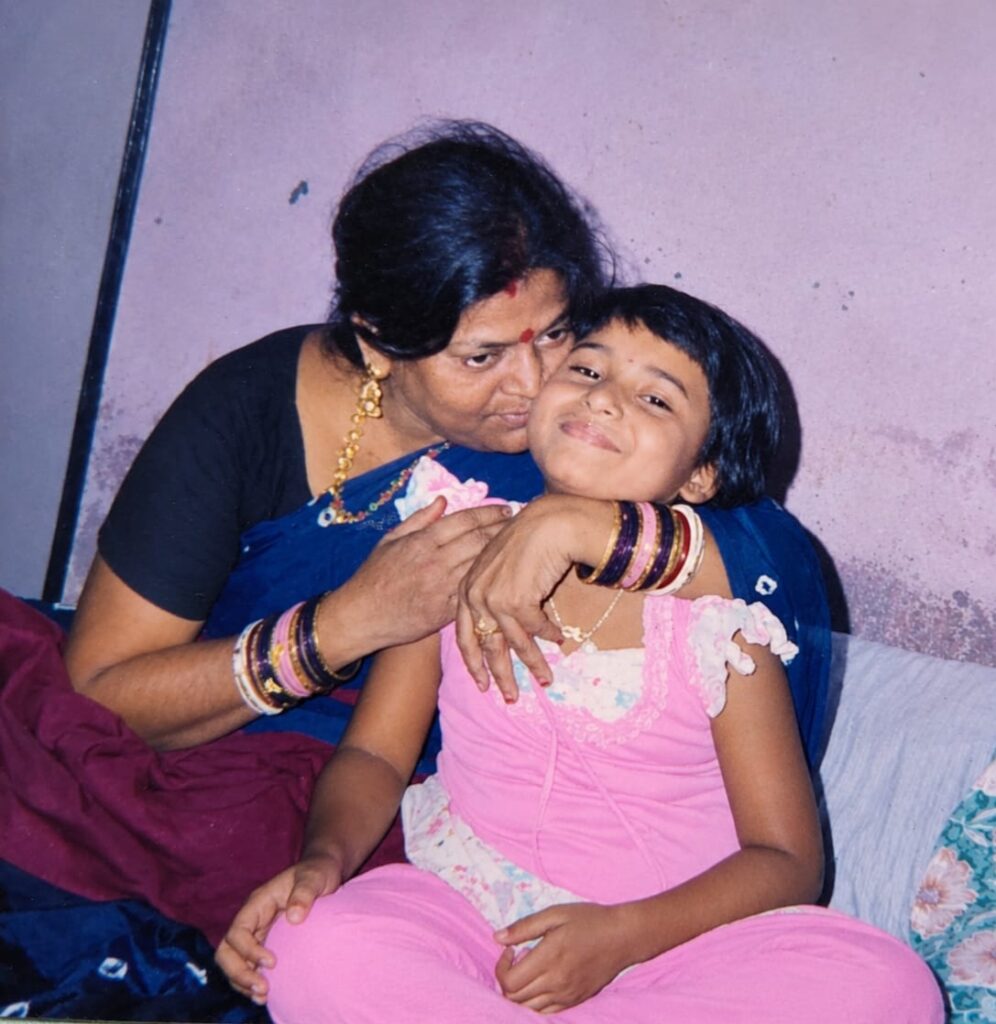
Somewhere underneath all of this sits a more personal reason for choosing cancer as my focus. My maternal grandmother passed away because of cancer, and my aunt has lived through it. I was too young, when my grandmother was ill, to understand what was happening beyond knowing that something had taken her away slowly, without anyone around me having a clear answer for why.
I do not think that memory alone explains the scientific questions I ask at the bench today. Those are shaped by evidence, by data, by what the research actually allows me to test. But I would be lying if I said it had nothing to do with why I keep returning to the bench on the days when nothing works.
Finding my voice through India RISE
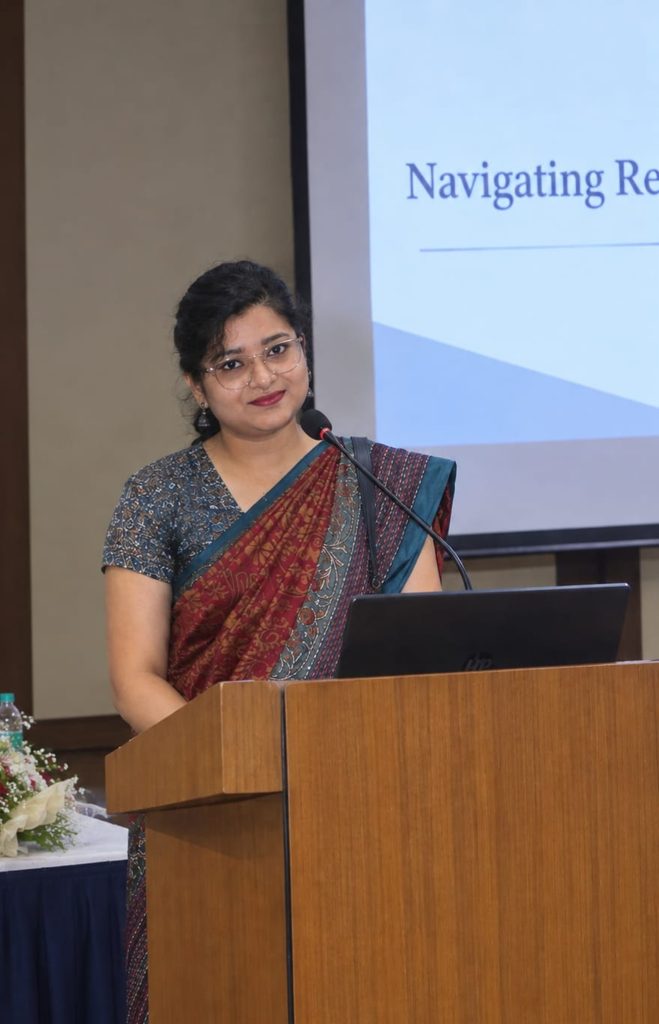
Alongside the science, I have been working on something quieter: learning to speak up. For much of my academic life, I found it difficult to voice an idea clearly or advocate for my own work in a room full of people. My time with India RISE has shaped this more than almost anything else.
Its mentors have taught me, in small and repeated ways, to celebrate wins I used to dismiss as too minor to count, to ask for help instead of struggling through silently, and to stop underestimating what I am capable of. I am still learning to be patient with my own pace of growth, and I suspect that particular lesson will take longer than any single experiment.
I think often about how ordinary these struggles are, and how rarely we talk about them while they are happening. Early-career researchers, and women in research in particular, can feel expected to appear confident and certain of their direction. What I have learned in the lab is that competence often means continuing to show up while still figuring things out.
Having mentors, resources, and a community willing to work through that uncertainty with you changes what is possible. It is one of the reasons I believe so strongly in what India RISE is trying to build. Alongside the fellowship, the mentors who have guided me at each stage have shown me how much belief and patience matter in research.
I do not know yet whether my work will amount to a meaningful contribution to cancer research. But I know I want to keep asking the question, one experiment, one setback, and one small win at a time.
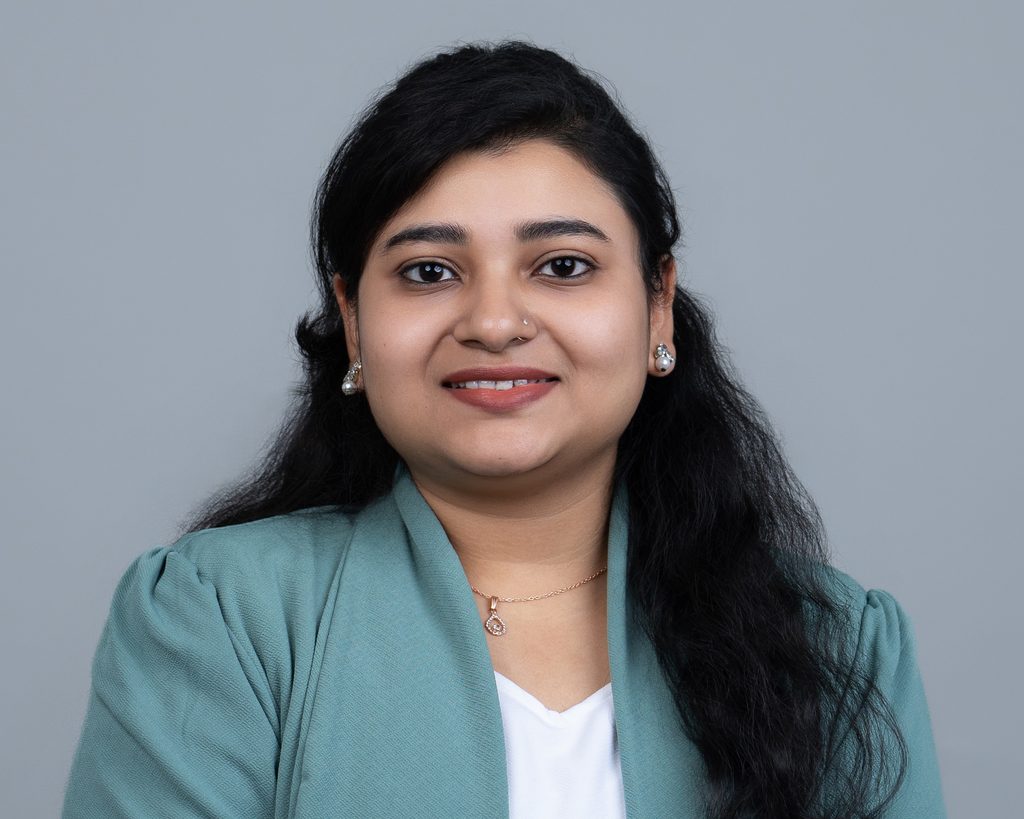
India RISE Fellow 2026